
//Info in English below//
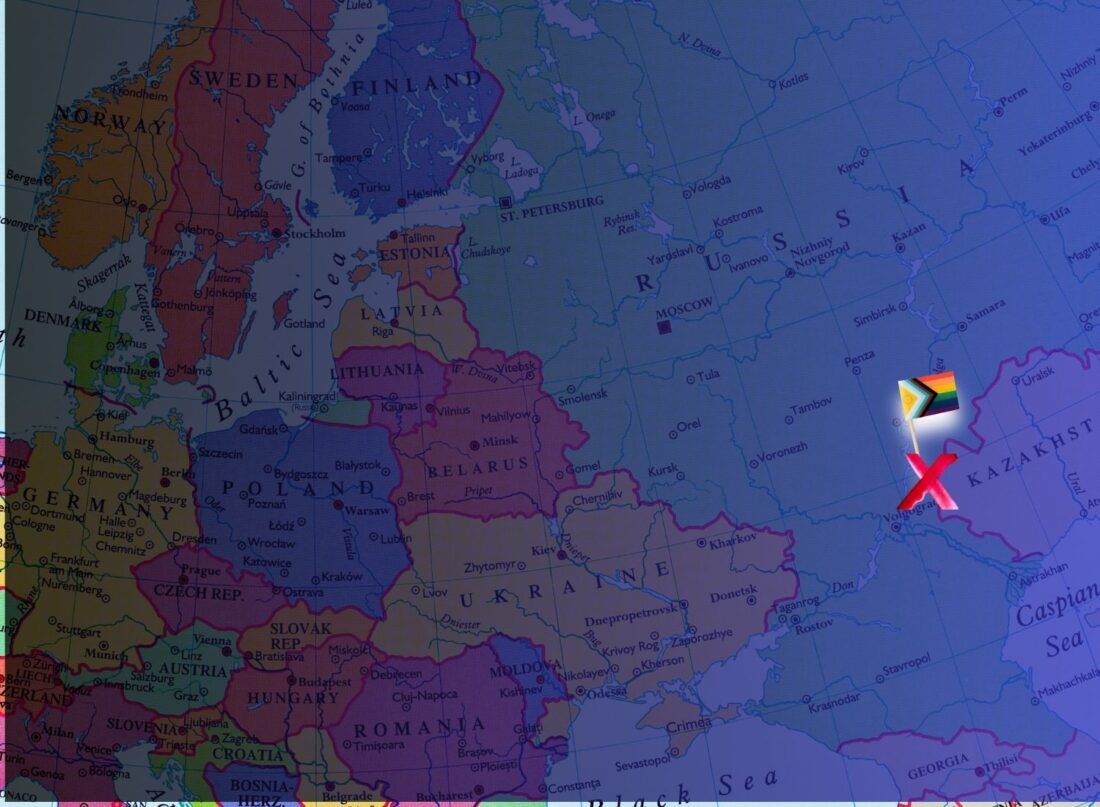
Rett før nyttår vedtok Kasakhstan en ny lov som forbyr «LHBTI+-propaganda» i offentligheten.
Den nye loven forbyr LHBTI+-relatert innhold i:
- sosiale medier og nettplattformer
- tradisjonelle medier og journalistikk
- undervisningsmateriell
- kunst og kulturelle uttrykk
- psykologisk støtte og informasjon om helse og seksualitet.
Brudd på loven kan føre til bøter eller kortvarig fengsling, og myndighetene kan stenge nettsider og digitalt innhold uten rettslig kjennelse.
Alvorlig brudd på nasjonale og internasjonale rettigheter
– Loven bryter med Kasakhstans egen grunnlov og landets internasjonale forpliktelser, inkludert menneskerettighetene, OSSE-forpliktelser, FN-traktater og samarbeidsavtalen mellom EU og Kasakhstan (EPCA). Myndighetene hevder at loven skal «beskytte barn», men den ligner sterkt Russlands LHBT-«propaganda»-lov fra 2013. Den inngår i et bredere mønster der LHBTI-personer brukes som politisk målskive for å begrense ytringsfrihet, sivilsamfunn og demokratisk handlingsrom, sier leder av FRI, Stephen Adom.
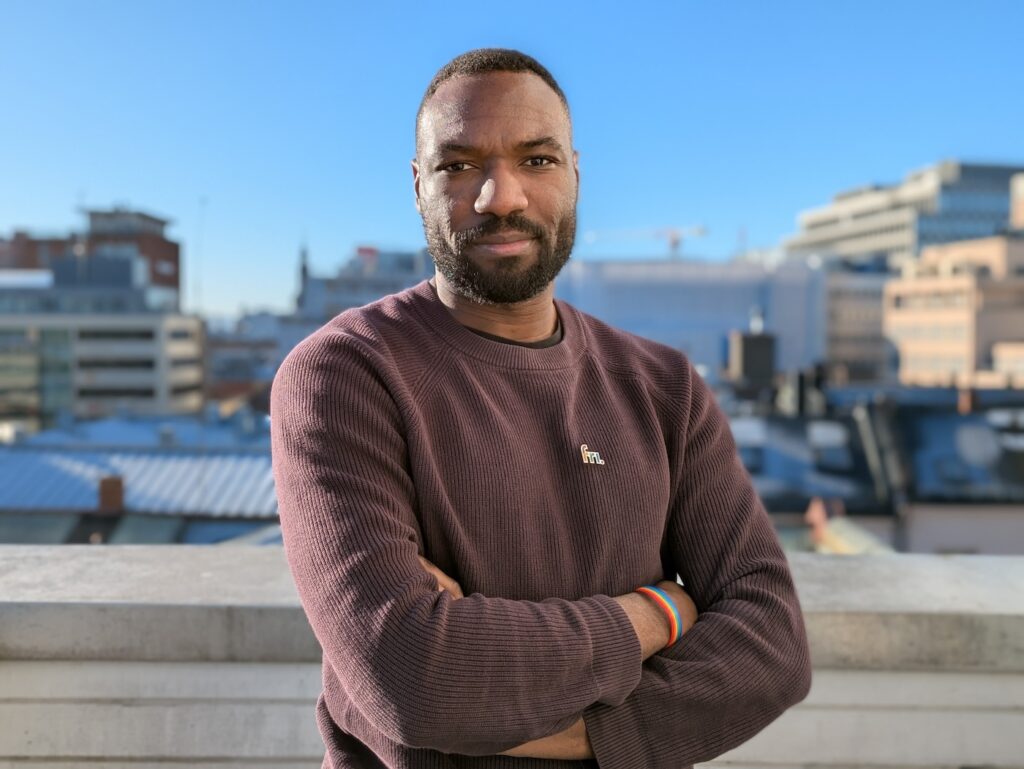
Leder av FRI, Stephen Adom. Foto: PRJ/FRI.
Seksuell orientering og kjønnsidentitet er ikke beskyttet mot diskriminering i loven.
LHBTI-personer utsettes for vold, trusler, utpressing og trakassering fra både statlige og ikke-statlige aktører, også fra politiet. Overgrep skjer ofte uten konsekvenser for gjerningspersonene.
– Den nye loven forsterker stigmatisering, frykt og selvsensur, både for LHBTI-personer og for alle som støtter dem, sier Adom.
Konsekvenser for hele samfunnet
Loven rammer ikke bare LHBTI-personer. De vage definisjonene av «propaganda» åpner for omfattende statlig sensur og ytringsfrihet, informasjonsfrihet og retten til helse og utdanning settes i spill. Journalister, lærere, psykologer, leger, jurister og sivilsamfunnsorganisasjoner risikerer å ikke kunne gjøre jobben sin uten frykt for straff. Dette gjør loven til et alvorlig inngrep i grunnleggende rettigheter for hele befolkningen.
Hva kan du gjøre?
Internasjonal oppmerksomhet og solidaritet er avgjørende:
- delta i eller arrangere solidaritetsmarkeringer
- løfte stemmene til LHBTI-personer i Kasakhstan i media
- dele faktabasert informasjon og motvirke desinformasjon om loven
- vise støtte og solidaritet til kasakhstanske LHBTI-personer og aktivister - det betyr mer enn du tror.
Kilder
- Kazakhstan bans LGBT propaganda as Tokayev signs law: 30 December 2025, 21:33 - news on Tengrinews.kz
- Statement: Kazakhstan Senate votes to approve anti-LGBTI provisions | ILGA-EuropeILGA-Europe.
- Kazakhstan: Reject ‘LGBT Propaganda’ Legal Proposals | Human Rights Watch.
- Kazakhstan follows Russia in banning LGBTQ ‘propaganda’ | CNN.
- Kazakhstan: Parliament’s last-minute “LGBTI propaganda” ban must not become law - Amnesty International.
- Kazakhstan’s new anti-LGBT legislation sparks controversy.
- Kazakhstan: Proposed ‘LGBT Propaganda’ law risks institutionalising discrimination, warn UN experts | OHCHR
Crackdown on LGBTI-rights in Kazakhstan
Just before the New Year, Kazakhstan adopted an anti-LGBT-law which bans LGBTQI+-content in public spaces and via mass media, including social media and online platforms, media reporting, educational materials, artistic expression, psychological support, and public health information. Violations of the law lead to fines or short-term detention, and the authorities are granted powers to suspend access to websites and digital content without court order.
These measures violate Kazakhstan’s constitutional obligations as well as international human-rights law, OSCE commitments, UN treaty obligations, and the principles enshrined in the EU – Kazakhstan Enhanced Partnership and Cooperation Agreement (EPCA),
The law claims to “protect children from content harmful to their health and development” and closely mirrors an anti “LGBT-propaganda” law passed in Russia in 2013. As such, it is another clear case of the LGBTI community being weaponised to undermine democratic principles.
The situation of LGBTQI+ people in Kazakhstan
Kazakhstan does not include sexual orientation or gender identity as a ground for protection against discrimination in its laws, and the authorities have denied registration to nongovernmental organizations supporting the rights of LGBTIQ+ people. Moreover, the new law directly targets and stigmatises LGBTI people and anyone perceived to support them,undermining fundamental rights guaranteed under Kazakhstan’s Constitution.
LGBTIQ+ people are targets of assaults, threats, blackmail, and extortion by law enforcement officers and nonstate actors, as well as discrimination. Police violence, threats, and degrading treatment toward LGBTIQ+ people have resulted in deep mistrust of law enforcement among people who support these rights. Those responsible frequently commit these crimes with impunity, according to LGBTQI-groups.
What consequences does the law have?
“Banning so-called ‘LGBTI propaganda’ is not about protecting children, it’s about institutionalizing stigma, fear and censorship”
Marie Struthers, Amnesty International’s Eastern Europe and Central Asia Director
Kazakh and international LGBTQ rights defenders have voiced strong concerns that the law violates Kazakhstan’s international human rights commitments, including children’s rights to education, health, and information.
The law extends far beyond restricting the human rights of LGBTI people. By establishing broad and undefined categories of “propaganda”, the provisions create an expansive legal basis for state censorship, threatening freedom of expression, freedom of speech, and the ability of individuals and organisations to access or share information.
Journalists, teachers, psychologists, doctors, lawyers, civil-society organisations, and human-rights defenders may all find themselves unable to exercise their professional duties without fear of scrutiny, sanction, or repression.
What can you do?
ILGA-Europe calls on LGBTI organisations, activists, and allies around the world to:
Organize public protests and solidarity actions in front of embassies and consulates of Kazakhstan in your countries;
Amplify the voices and experiences of Kazakh LGBTI people in international and national media;
Share accurate information to counter misinformation and highlight the broader risks presented by the legislation;
Express support and solidarity for the Kazakh LGBTI people, who face expanding threats under a widening censorship framework.
Background
On 12 November 2025, the Mazhilis (lower house of Parliament) unanimously adopted proposed legislative amendments prohibiting the “dissemination of information containing propaganda of non‑traditional sexual orientation and paedophilia” in media and online spaces. The Kazakhstani parliament passed the legislation on Dec. 18 and President Kassym-Jomart Tokayev signed the new law on Dec. 30.
The initiative follows a 2024 petition signed by 50,000 citizens demanding restrictions on public LGBTI representation. The same year, Kazakhstan banned LGBTI people from adopting or mentoring orphans.